Category Archives: Wildflower Safari 2014

Jen & Geoff’s 3 month caravan trip to Western Australia

Albany & Denmark/Stirling Range

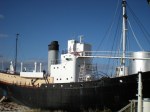
Yesterday we visited the old whaling station in Albany. It is located at Cheynes Beach on Frenchman Bay and the weather was bright and sunny, and the surface of the water sparkling silver and blue. It was hard to reconcile the beauty of the bay with the photos and narratives describing the processing plant when it was fully operational.  The whales were harpooned out on the edge of the continental shelf, inflated with air to ensure that they remained afloat, and tethered to buoys to await collection at the end of the day’s hunt.  They were towed back to the station and moored to a pontoon nr. the beach.  They were then hauled up on to the flensing deck and dismembered and cooked down for oil.  It would have been a scene straight from Dante’s Inferno – unimaginably ghastly.  The stench was appalling and clung to everyone who worked there.  The last whale to be killed in Albany was in 1978 – not so long ago.  Such a horrible end for these gentle giants of the sea, some species of which were hunted almost to extinction.  When one species started to become scarce, another was targeted.  The finest grade of oil was used for, among other things the preparation of cosmetics.

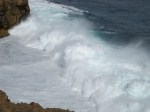
Today has been a lovely day.  We are spending 3 nights in the delightful, small town of Denmark and we started out at Black Hole (much more beautiful than it sounds) where we just stood and watched the waves roll in – a wonderful way to start the day.  The next best way to start the day is with a good coffee and there is a terrific cafe here called ‘Ravens’ – yes, really -and I am so excited to find a decent cafe that I walk in with a huge grin on my face.  They probably think I am mad!  You will gather that food, other than home-cooked, has not been a highlight of the trip so far, but I think that will change when we reach Margaret River.  We are looking forward to it.

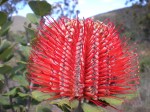
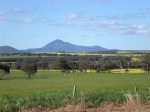
After delicious coffee and cake, we bought lunch to take with us and headed to Mt. Barker and the Stirling Range National Park.  It is a diverse and spectacular area and we drove through the range over 42 km of unsealed roads, kicking up red dust, and enjoying every moment.  The vegetation constantly changes from low scrub to tall trees and the palette from soft greys and greens and browns to stronger greens and the acid yellow of the canola fields and the vibrant reds of the banksias and bottlebrush. A gift to the senses, even the smell of woodsmoke from the controlled burns which are being carried out prior to summer.

Back to the caravan early evening, before there were too many kangaroos on the road. There are lots of them here at the caravan park and Geoff stepped out one night to find that they had us surrounded.  There is also a Tawny Frogmouth Owl in a nearby tree and he keeps up his mournful cry for most of the night.  I like the sound and can imagine him sitting on his branch, droning away, presumably very bored.  Geoff, however, thinks the bird may not have long to live!

Driving to Walpole tomorrow.
Bremer Bay and Point Ann

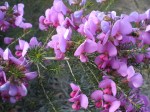
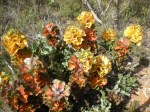
Walking the coastal paths in this part of the world is a delight.  Tiny specks of colour reveal themselves to be exquisite flowers which you are often seeing for the first time ever.  The variety is amazing.  On the other hand, not all of the flowers are so retiring.  Some, like the Royal Hakea and the big banksias, are the brass bands of the world of wildflowers – bold and loud. I gather that we will be seeing great swathes of flowers when we travel further north but, at the moment, we are enjoying them in isolation, as single plants or in small patches.

We are currently staying in a lovely caravan park in Bremer Bay and, today, we drove for about an hour over unmade roads to Point Ann.  The whales were quite active and we watched them for a long time.  We have seen whales in a few places now but still find it hard to tear ourselves away.  They are endlessly fascinating.

Fitzgerald National Park

Ravensthorpe Wild Flower Show

We arrived in Ravensthorpe yesterday and are staying in a funny little caravan park with fairly old facilities but very friendly staff.  It is actually a relief to be away from the gale-force winds which have bedevilled the coast for the last few days.  The only disturbance here is the 5 am departures for the nearby nickel mine and hydrometallurgical processing plant which, strangely, appears to be near or within the Fitzgerald Biosphere Reserve, a World Heritage conservation area.  20% of WA’s  12,000 wildflower species can be found within the Fitzgerald River National Park.  We are going to drive down to the park tomorrow.


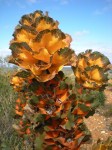
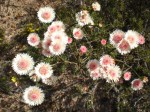
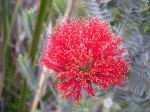
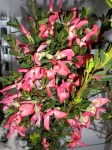
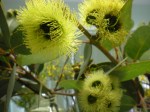
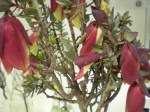
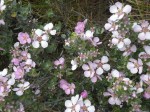
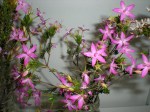
Today we visited the Ravensthorpe Wildflower Show and I have included pics of some of the beautiful flowers we saw, along with a miraculous (given its speed) photo of a Blue Breasted Wren, taken by Geoff. It is such a pretty little bird, with chestnut shoulder patches.  Geoff took all of these photos with my modest little camera.
Cape Arid to Stokes NP

Purple Flag

Purple Flag

Stokes Inlet

Stokes Inlet

Coast walk at Stokes Inlet

Coast walk at Stokes Inlet

image

Zamia

Zamia

imageimage

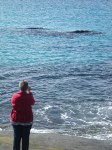
More whale watching this morning at Dolphin Cove, before we left Cape Arid NP. A mother and calf were about 50m from the rocks and it was an amazing experience to be able to see them so close.
Lunch at Condingup wasn’t half bad, after all. Garlic bread, fish & chips, date & walnut crumble and a GOOD coffee. We are missing our coffee. Forgot to stock up on fresh coffee for the plunger before we left and, because we have been camping in national parks, there is no power to run our little Nespresso and milk heater. These are the hardships one faces if one chooses a life on the road!
We arrived in Esperance about 4pm to discover that the two supermarkets were closed and the bread shop had no bread! We were directed to a small, 7-day IGA out of town and paid nearly $100 for a paltry collection of groceries. Ever since we left Adelaide, everything has been very expensive.
We arrived at Stokes Bay at about 6pm and hurried to set up the van before the forecast bad weather hit. Perth has had terrible weather, roofs off houses etc., and it is coming to us. It has been raining (not too much), and blowing a gale. We are on a fairly sheltered campsite but we are still being buffeted around.
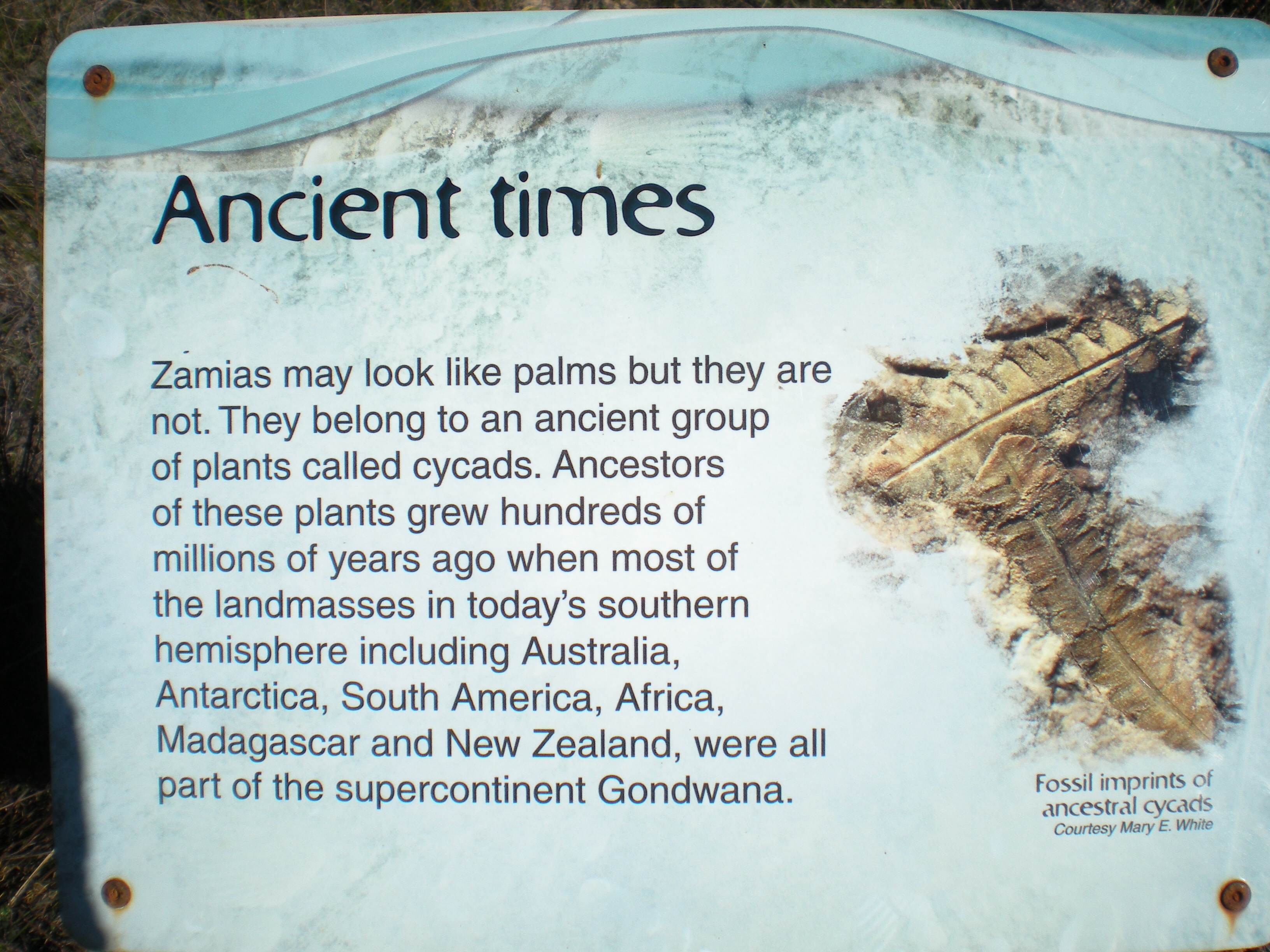
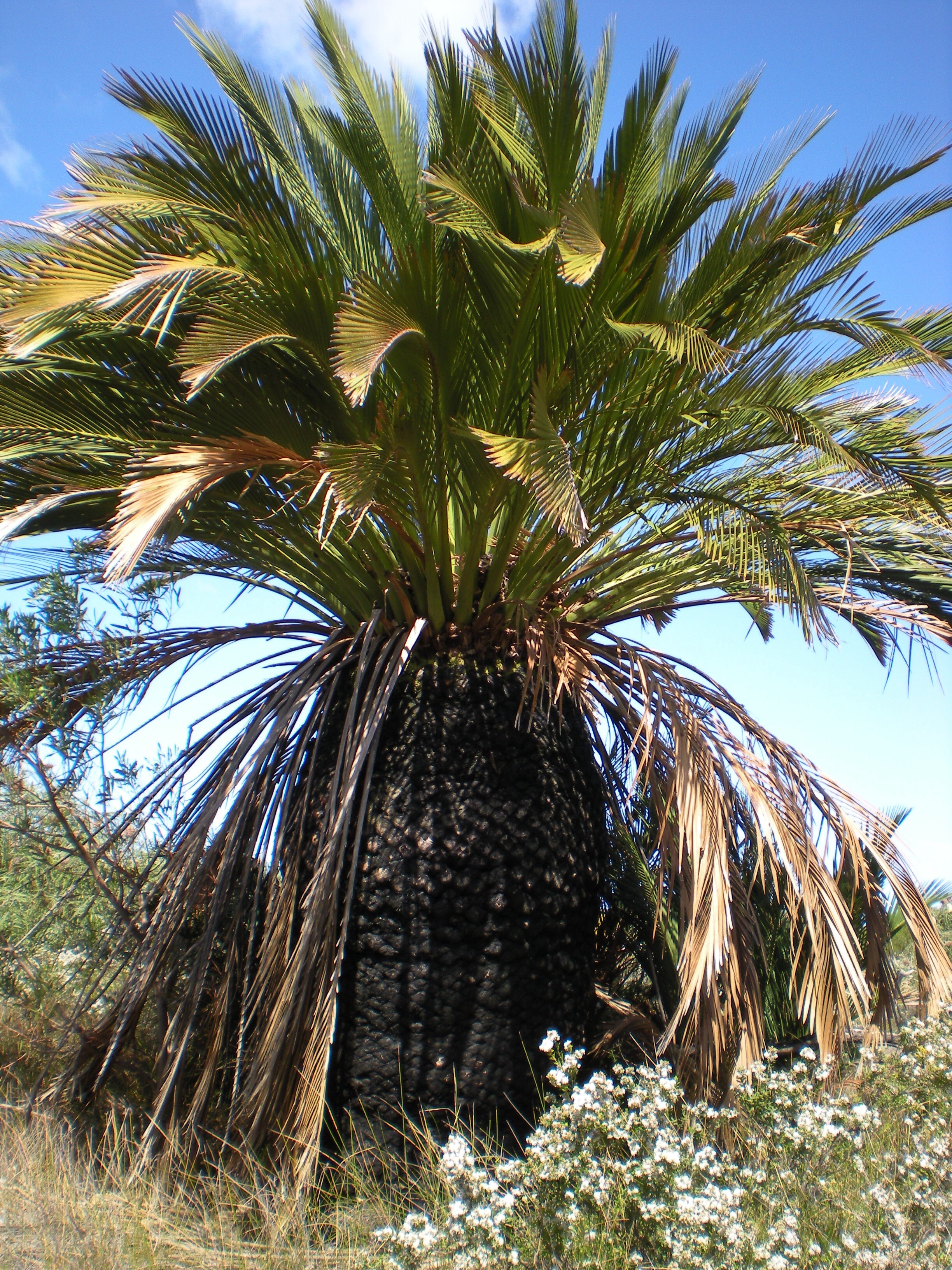
The sun shone for a while this morning and we were able to do a lovely coastal walk. We can’t believe how many beautiful wildflowers we are seeing already and we wish we had a more sophisticated camera. We saw a lot of zamias – big palm-like trees , actually cycads), which existed hundreds of millions of years ago in Gondwana Land. They bear fruit, which indigenous animals eat without ill-effect but which made Matthew Flinders’ gardener very sick. The aborigines counteracted the high level of alkaloids by putting them through a process of burying, soaking and cooking, to make them edible. You would wonder how anyone would work out such a procedure to neutralise the poison.
I almost stepped on a snake as it wriggled across the path. It was very small – only about a foot long. Glad Mum or Dad wasn’t around!
We will leave here tomorrow and will stay at either Ravensthorpe or Hopetoun.

Cape Arid

We have had a morning of whale watching. First thing this morning, from bed, cup of tea in hand, in our home bay, and then we walked over to Dolphin Cove where we sat on the headland and watched them down in the shallows.
This afternoon we went on the Len Otte Nature Trail, which was lovely, except for the zillions of biting ants which were using the track as a super highway and which started to swarm over your shoes and ankles i

Dawn Cape Arid

Dawn Cape Arid

f you were foolish enough to stop moving. They obviously knew about the impending rain.
Pretty sunset this evening, plus a rainbow! This is a glorious place.
Moving on to Stokes N Park tomorrow, via Esperance, where we will stock up on supplies and buy fuel. We will have lunch on the way at Condingup Tavern to mark Fathers’ Day. The pictures of their meals included in the tourist brochure look truly awful. Fingers crossed!

Dawn at Cape Arid

Dawn at Cape Arid

Early morning whale watching

Early morning whale watching

image

Esperance to Cape Le Grand NP

Man at work!

Man at work!

First orchids at Lucky Bay -Donkey Orchid

First orchids at Lucky Bay -Donkey Orchid

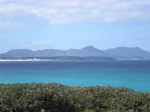
Our first sighting of Lucky Bay was so impressive, we kept stopping the car to take photos before we even got to the campsite. Lucky Bay was named by Matthew Flinders when he found shelter from a summer storm here during his navigation of the Recherché Archipelago in the HMS Investigator in1802. The next bay along, Thistle Bay , was named for the Ship’s Master, John Thistle, when they found fresh water there. We are in Cape Le Grand National Park and it is stunningly beautiful. White sand beaches ((scientifically proven the whitest in Australia, apparently), turquoise and dark blue water, and amazing rock formations. We are already seeing some lovely wild flowers and there are kangaroos pottering around the camp site and sunning themselves on the beach. Feels a lot like Paradise. Tomorrow we will move on to Cape Arid N Park and camp nr Dolphin Cove which is supposed to be, perversely, a great spot for whale watching. Our next stop after that will be Stokes N Park. It is actually quite difficult to progress along the coast because we are constantly seduced by advice and stories from other travellers and the constant refrain of ‘You can’t miss ……./ You must see ……..etc. We have already decided we will have to come back. 3 months is too short!
It is great to be independent in the van, without the need for power. We can enjoy the national parks and stay at caravan parks when we want to do some laundry etc. We feel we have the best of both worlds.
We fall asleep to the sound of the waves rolling into the bay.

Cape Le Grand NP to Cape Arid NP

There are 17 caravan sites at the National Park camping ground at Cape Arid and we have it all to ourselves. We are perched up on the headland with a sweeping view of a glorious bay where, this afternoon, we could see a number of Southern Right Whales cavorting in the waves about 50m from shore. We discovered that we could even see them from our bed in the van. Not bad value for the grand sum of $13.20/night. We feel very lucky to be able to easily access such a magnificent place. Thank goodness the coast is available to everyone and not lined with hotels and resorts.
The whales come up from sub-arctic waters to calve and are most numerous May/June but there are still large numbers to be seen, including mothers and their calves. Whales have VERY LARGE babies (ouch) but since all the mums choose the water birth option, maybe it is not too bad!
I am already running out of superlatives to describe this coastline and we are only a few weeks into our trip. I might have to devise a private rating system for the future.

Photos Lucky Bay and Dolphin Cove


Photos from Cape Bauer and Head of Bight

I am getting a bit better at the photos.  Should be – we have been in Macca’s all morning.

Waiting for a call from Ford to say that the car is ready and we will be off to the national park.

Lovely to have fresh food again although very expensive.  Once everything is confiscated at the quarantine station nr. Eucla there is no opportunity to stock up again for a few days.  Business opportunity, Someone!  The roadside stops on the Nullabor are dispirited places specialising in fried food and you can’t get a decent coffee.  2 half-decent coffees cost $9.60 at the BP Roadhouse at Norseman.  Apparently Norseman is named for a horse which pawed the ground and turned up gold-bearing quartz for its owner.  We have had no such luck as yet.